 Sokira
What I read, early September
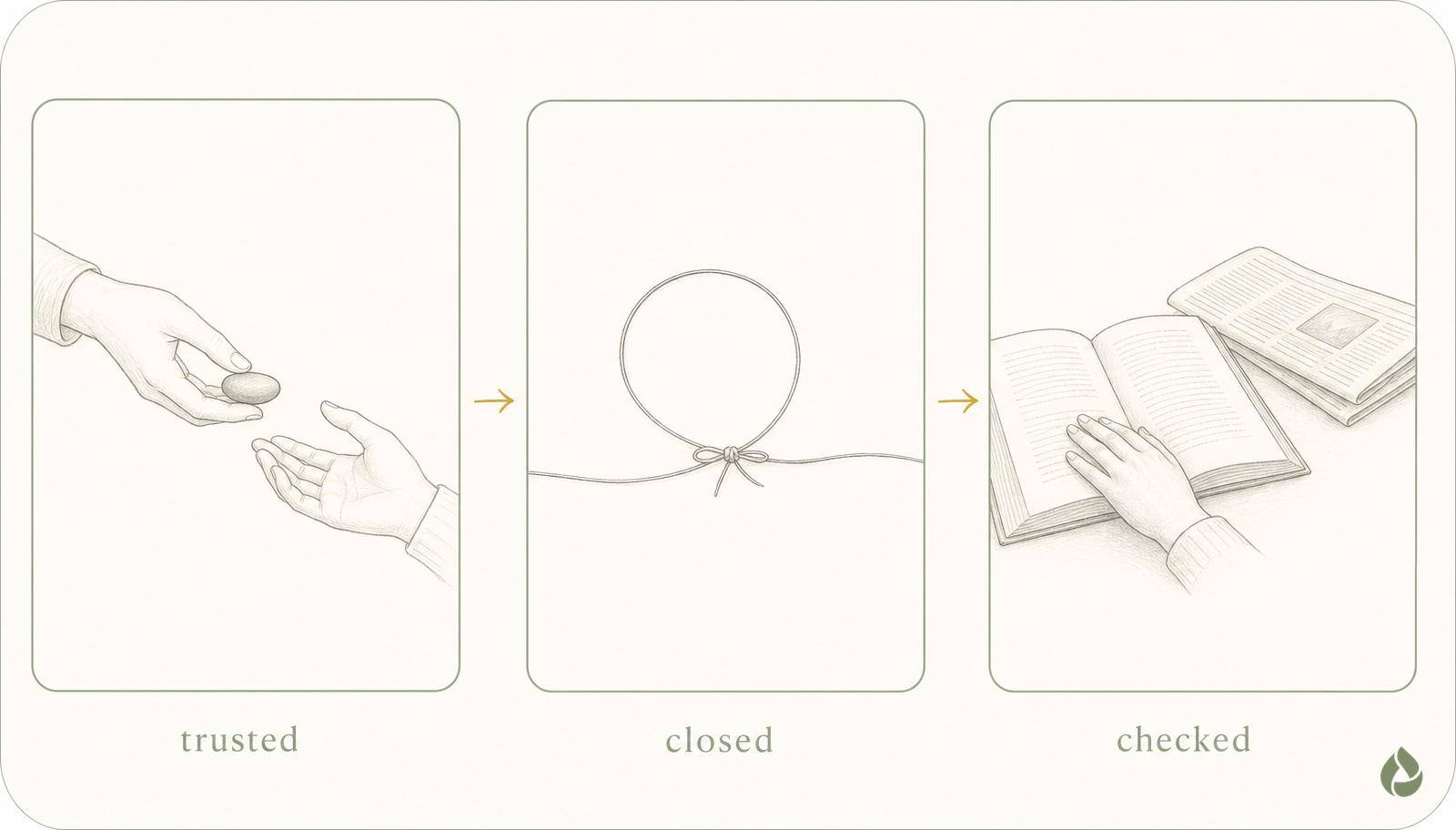
Four picks this time, and reading them back I noticed something. I have watched every one of these play out in my own house. A psychologist writing about self-trust. A piece on how one unfinished task can flatten a whole afternoon. Researchers putting a child’s strengths first on the page. And a study of what actually happens in comment sections, which is the reason I read the source before I believe anything. Every link goes out to where it came from, and no hype from me.
The link between self-mistrust and adult ADHD
Psychology Today
Dr. J. Russell Ramsay, who treated adult ADHD for decades, kept hearing the same three words from his clients: I can’t trust myself. Not about ability, about follow-through. I see a version of this at my own kitchen table. My son will turn and ask me what he should do, when I know he knows the answer. I hand it back and ask what he would do, and he answers immediately, every time. The answer was never the missing part. That distinction between confidence in the task and trust in your own start is the idea behind our new piece on self-trust.
Always tired? You may need to close your loops
CNN
On why an unfinished small task hums in the background all day, and why closing one loop, even a tiny one, quiets more than its size suggests. The part I recognize is that the open loop blocks everything else. My son will look tired in the middle of a conversation and say he still needs to get to that thing, and until it is done, nothing else really starts. Very close to how we think about the first small step.
Autism and ADHD strengths and needs, in a nutshell
Karolinska Institutet
Swedish researchers wrote up children’s everyday functioning with strengths listed before difficulties, and parents said the whole child was easier to see on one page. I wanted this report when my son was in school. He got good grades, and I would still come out of those meetings having heard mostly what was hard. Nobody meant any harm by it, and it still overshadowed everything else about him. A quiet blueprint for how these conversations could sound, well beyond the clinic.
The complex impact of mental health discussions on TikTok
Keele University
Researchers read the comment sections under mental health TikTok, ADHD included, and found two things true at once: real community and support, and real misinformation. This is why I read the source. When I research something, I use tools that hand me the links, then I go and read the study itself, or I listen to clinicians who have been in this field for decades. I have watched plenty of confident, inaccurate things go by, and that part is worth being careful about. Worth holding both while you scroll, and worth being gentle about where your inner narrator learns its lines.
Jack, founder of Sokira

A calm voice that helps you start. Free for the first week.